

Launching a retail startup is an exhilarating yet daunting endeavor, often likened to juggling flaming torches while meticulously balancing on a high wire. Entrepreneurs embark on a multifaceted journey, encompassing the intricate processes of sourcing compelling products, meticulously crafting a distinctive brand identity, and diligently cultivating a loyal customer base.
These critical activities are invariably conducted under the constant pressure of maintaining wafer-thin profit margins, a ubiquitous challenge in the competitive retail landscape.
Within this dynamic and often chaotic swirl of crucial priorities, the establishment and consistent execution of efficient inventory control practices emerge as a pivotal determinant of success, capable of either propelling a nascent business towards sustainable growth or precipitating its premature demise within the crucial first year of operation.
Effective inventory management provides invaluable insights into product movement, customer demand patterns, and potential stockouts or overstock situations, thereby enabling informed decision-making across various facets of the business.
Fortunately, the advent of accessible and user-friendly online tools has democratized sophisticated operational capabilities, previously the exclusive domain of large corporations with substantial capital resources.
Among these empowering innovations, the online Barcode Generator stands out as a particularly impactful solution for burgeoning retail ventures.
This readily available technology empowers even the leanest new shops to seamlessly adopt the same data-driven workflows that underpin the operational efficiency of global retail giants.
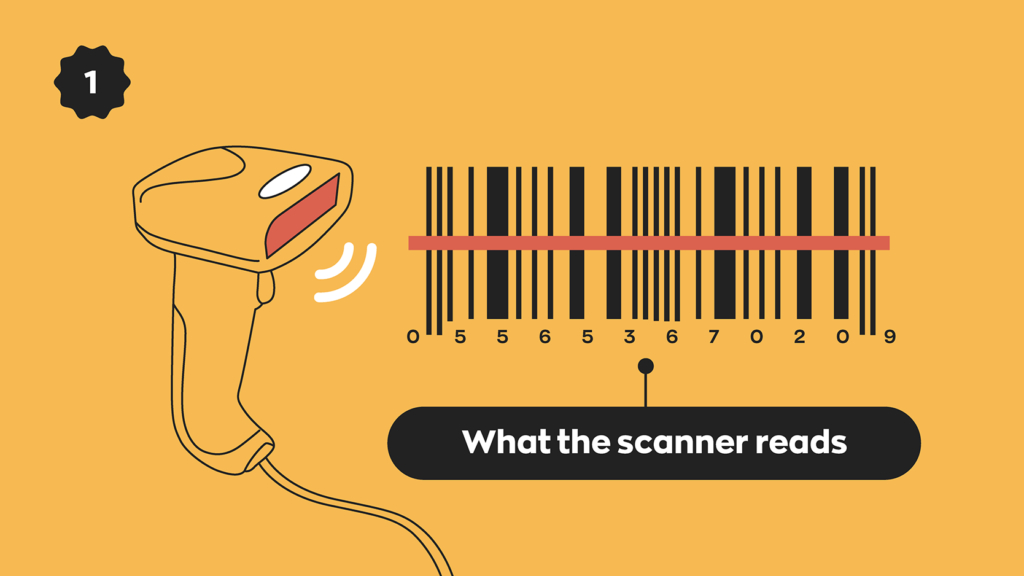
By enabling the systematic tracking of inventory at the individual product level, barcode generators facilitate accurate stocktaking, streamlined sales processes, and the generation of valuable sales data, all without necessitating a significant upfront investment in expensive and complex enterprise software systems.
This cost-effective adoption of fundamental inventory management technology levels the playing field, allowing startups to compete more effectively and build a solid foundation for future growth and scalability.
1. A 50-Year Track Record of Reliability
Barcodes aren’t a fad. The first retail laser scan—a pack of Wrigley’s gum—happened back in June 1974. That single “beep” unlocked a revolution, giving merchants real-time product counts, speedier checkouts, and vastly better demand forecasting.
Today GS1 (the global standards body) projects a transition to next-generation, information-rich codes by 2027, underscoring how pivotal this technology remains in modern commerce.
2. Accuracy That Eliminates Costly Guesswork
Hand-keyed SKUs average one error in every 300 characters—painful when each slip can ripple across purchasing, accounting, and shipping. Barcode scanning slashes those mistakes to fewer than one in 3 million—an accuracy rate above 99.9 percent.
Greater precision delivers immediate wins:
- Trustworthy stock levels. You’ll finally know exactly what’s on the shelf, reducing “phantom inventory” that disappoints customers at checkout.
- Cleaner financials. Fewer reconciliation headaches mean faster closes and clearer cash-flow forecasts.
- Better supplier negotiations. Reliable sell-through data strengthens your bargaining position when ordering.
3. Shrinkage Falls—and Accountability Rises
Inventory shrink gobbles 2–5 percent of revenue for typical e-commerce shops. Barcode systems carve that figure down by 20–30 percent by logging every product movement and flagging anomalies early. Knowing who scanned what, where, and when acts as both deterrent and diagnostic tool, helping you spot theft, damage, or receiving errors before they snowball.
4. Speed at Every Touchpoint
Barcodes aren’t just about less typing—they unleash a smooth, scan-based workflow from inbound pallets to the last-mile label:
- Receiving: Populate purchase orders instantly and catch mis-ships on the dock.
- Stocking: Map bin locations so new hires can shelve goods without asking.
- Picking & packing: Batch-pick with mobile scanners and cut order-processing time by double-digit percentages.
- Shipping: Guarantee the right item lands in the right box, reducing returns.
That velocity translates directly into happier customers who get what they bought, faster.
5. Scalable Tech—Without Enterprise Pricing
Ten years ago, barcode adoption meant purchasing rugged scanners, middleware, and an IT consultant. Not anymore.
Cloud-based inventory apps integrate seamlessly with consumer-grade Bluetooth scanners or smartphone cameras.
Meanwhile, there is Free Online Barcode Generator on the web that lets you design, download, and print unlimited codes in seconds—no watermarks, no license fees, and no required login.
For budget-sensitive founders, pay-as-you-grow hardware is a gift: start with a $40 pocket scanner and upgrade as order volume climbs.
6. Ready for Omnichannel on Day One
The moment you add a pop-up stall or a marketplace listing, siloed inventory becomes a liability.
Unified barcodes help reconcile in-store sales with online carts automatically, so you don’t oversell best-sellers during a weekend flash sale.
They also simplify product information updates—change a price once in your database and every scanner, POS tablet, and pick-list reflects it instantly.
7. Data You Can Actually Use
When every scan is a datapoint, you gain granular insight into:
- Sell-through velocity per SKU—spot slow movers before they choke warehouse space.
- Seasonal demand curves—schedule promos when they’ll land hardest.
- Picker productivity—reward efficiency and pinpoint training gaps.
These KPIs inform smarter re-orders, marketing pushes, and labor planning—allowing a nimble startup to punch above its weight. Analysts call barcoding “the backbone of lean inventory” for good reason.
8. A Launchpad for Future Automation
Barcodes are the first ladder rung toward RFID, robotics, and AI-powered demand forecasting. By standardizing product IDs early, you future-proof your catalog for deeper tech investments down the road. Want to add automated guided vehicles or predictive restocking algorithms in three years? Your clean, scan-driven data will already be there to feed them.
9. Implementation in a Single Afternoon
- Generate codes. Use any CSV of SKUs, feed it into a free online tool, and export print-ready labels.
- Print on demand. Slap labels on existing stock; reprint damaged ones instantly.
- Update your POS or inventory app. Most accept barcode imports via simple spreadsheets.
- Train staff. Five minutes of scanning practice is all most employees need.
Because everything runs in a browser or on a phone, you avoid costly downtime.
10. Compliance and Professionalism
Many wholesalers now require scannable IDs on cartons; some won’t ship without them. A labeled product line signals maturity to partners and elevates customer trust—no one wants to buy a “mystery SKU” with a handwritten tag.
Conclusion: Small Investment, Outsized Impact
Embracing scan-based operations early allows startups to quickly realize significant advantages. Lower shrinkage is achieved through accurate tracking of inventory movement, reducing losses from theft, damage, or errors. Faster fulfillment results from streamlined processes in warehousing and order preparation, as scanning enables efficient picking, packing, and shipping. Furthermore, scan-based operations provide a foundation of data clarity that becomes increasingly valuable as the startup grows. Real-time data on inventory levels, sales trends, and operational bottlenecks allows for informed decision-making, optimized resource allocation, and improved forecasting. This data scalability is crucial for sustained growth and operational efficiency in the long term.

