

Electric cars (EVs) have become increasingly popular over the last few years. While the technology behind electric vehicles used to be associated with high cost, limited range, performance issues, and long charging time – this is now starting to shift, thanks to improved technology and batteries.
And it’s not only the Government that voices the need for electric cars. Automotive giants such as Volvo have expressed a commitment to convert to producing electric vehicles only shortly. Even more high-end brands like Tesla offer more affordable options, altering EVs’ perception as an elite product.
While local governments are eager to ban fossil-fueled vehicles’ production to reduce greenhouse emissions, consumers also have many benefits.
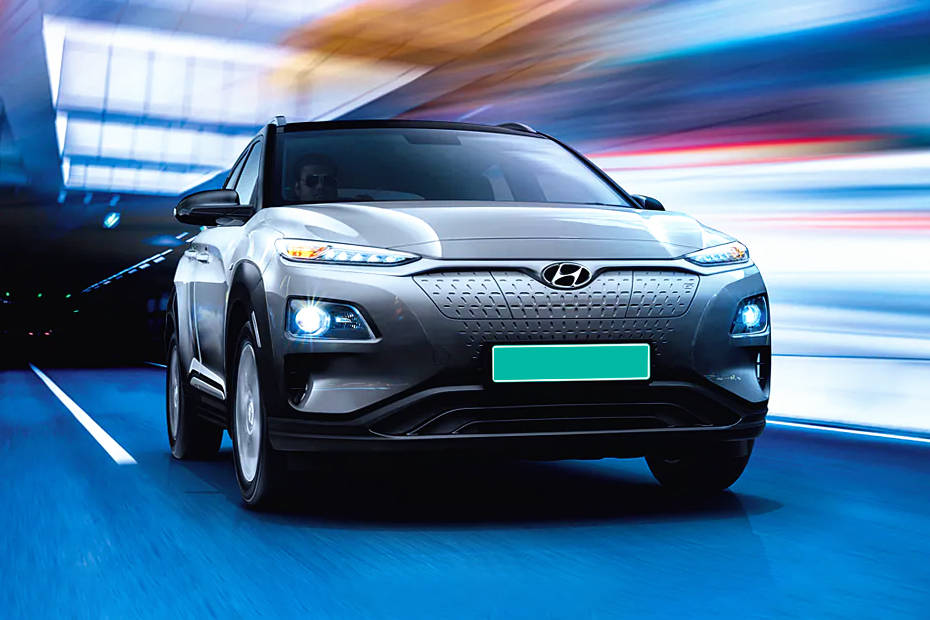
Here’s why:
1. Cheaper than gas vehicles
The annual cost of an EV is less than that of a traditional gas vehicle. TThe cost of electric cars has already become pretty affordable, and as the prices continue to drop to the level of gas cars, there’s no reason you shouldn’t choose an electric vehicle.
Not to mention, running and maintaining an electric car costs significantly less than gas vehicles. You can cut all gas expenses, no need for an oil change, no smog tests, and hardly any repair needs. Many requires a fair amount of EVs on the road instead of gas-powered vehicles. Luckily for us, this is the direction we’re headed. Cleaner air means less disease in the world and better public health. And best of all, fewer greenhouse emissions will save the ozone layer and reduce our carbon footprint.
3. Electric cars require low maintenance
Low maintenance will help you save tons of money on your car. With ten times fewer moving parts than a gas car, fewer things are in jeopardy of breaking or need of service. There is no engine, transmission, spark plug, fuel tank, tailpipe, clutch, or muffler. You will still need to maintain the breaks, but they will last much longer than those of a gas-powered vehicle. Eventually, you will also have to change the battery, but most models today come with an 8-year/100K mile warranty. If the climate is mild, the battery will last even longer, often up to 15 years.
4. The range performance is increasing
New EV models are making huge gains in range performance. This is partially due to the advancements in battery technology and the electric regenerative systems in vehicle braking. For example, the 2017 Chevrolet Bolt EV is the first mass-produced, affordable electric car with an all-electric range of more than 200 miles. Considering the average commute is around 12 miles, this gives the driver more than enough everyday range.
5. Get financial incentives
Numerous states and local governments offer some form of motivation when buying an electric car. Such incentives may include tax exemptions, tax credits, and additional perks ranging from access to bus lines to waivers on fees such as charging, parking, and tolls. The amount of incentives you are given usually depends on the battery size and the electrical-range vehicle. Some countries also extend the benefits to fuel cell vehicles, electric vehicle conversions of hybrid electric vehicles, and conventional internal combustion engine vehicles.

